Solutions
Video Data Links
Airborne HD video transmission with COFDM modulation — what it is, how to pick one, and where the honest limits sit.
What this is
A video data link carries camera footage from the aircraft to the ground in real time. The published models in this catalog use COFDM (coded orthogonal frequency-division multiplexing) modulation, which is built for the hostile radio environment a moving drone lives in: reflections from terrain and structures arrive late and the link has to keep decoding through them.
Two families matter for selection. The 4KHD series is built around high-bitrate video (peak 80 Mbps radio throughput), while the Standard and J30 series trade peak bitrate for smaller size, lower power, and longer range. All of them also carry a serial/Ethernet control channel, so the video link usually doubles as the command link.
Selection factors
What to weigh before shortlisting a model.
Video bitrate vs radio throughput
The throughput figures in the catalog are peak radio-layer values, not guaranteed video bitrates. Effective video throughput is lower after error correction and protocol overhead — plan your camera bitrate well below the peak.
Range, always with its condition
Every range figure on this site is a line-of-sight (LOS) reference value. foliage, terrain, and buildings will cut it substantially; treat the quoted number as a best-case geometry, not a mission guarantee.
Latency class
The published models list a maximum latency of 150 ms. That is workable for ISR and inspection monitoring; if your use case needs a lower glass-to-glass delay, treat it as an explicit requirement in your RFQ.
Interfaces on both ends
Check what your camera and gimbal speak. Ethernet is common across the range; RS-232, TTL/UART, and SBUS appear on specific models — the interface list is the fastest way to narrow candidates.
Frequency band planning
The models cover 800 MHz, 1.4 GHz, and 2.4 GHz options, and some bands are configurable to order. Confirm the band and power configuration your platform and market need before ordering — the band list is a factory capability, not a fixed configuration.
Honest guidance
- 80 Mbps is the peak radio throughput of the 4KHD models. Your usable video bitrate will be lower — size the camera stream with margin.
- Quoted ranges are LOS reference values. A 50 km figure is achieved in open, flat, unobstructed conditions; realistic missions see less.
- Band customization is a factory option. Confirm the band and power configuration your platform and market need before committing to one.
- Phase 1 catalog data does not yet include MOQ, lead time, or sample policy — those are confirmed through the RFQ, not on the page.
Test footage
Recordings from the manufacturer's own test programme — bench, field, and flight tests, each shown with the conditions it was run under.
Ground-to-Air 50 km
Antenna briefing on site, take-off, and the ground-station view during a 50 km class ground-to-air test.
- Captured
- 2024-04-08
- Duration
- 4m18s
VPA030 Outdoor Distance Test
A night test of the VPA030: the ground unit with its 5 dB antennas, take-off, the ground-station view through the 10, 20 and 30 km legs, and the landing.
- Captured
- 2024-12-13
- Duration
- 1m11s
Ground-to-Ground 2 km
A 2 km ground-to-ground test: the field setup, then the configuration tool with its link table and the camera preview.
- Captured
- 2024-04-10
- Duration
- 3m55s
Ground-to-Ground 4 km
A 4 km ground-to-ground test: the field setup at the controller and the robot, then the link log and the camera preview.
- Captured
- 2024-04-09
- Duration
- 3m42s
30 km Module Distance Test
A 30 km class module distance test: the ground and sky units on snowy ground, then the configuration tool with its link table.
- Captured
- 2024-05-21
- Duration
- 4m06s
30 km Device Limit Test
A 30 km class device flown to its limit: 350 m up and 33 km out, as recorded by the operator on the day.
- Captured
- 2024-04-19
- Duration
- 2m33s
Mountain-to-Mountain Distance Test
Carrying the equipment up to the summit, setting up the ground unit, and the test data. The source page calls this a 300 km test; the link table on screen reads 277,821 m (277.8 km) between the two summits.
- Captured
- 2024-05-21
- Duration
- 1m11s
Footage is published as recorded. Every distance figure that appears in a clip is the line-of-sight reference condition of that test, not a guarantee for your mission.
Matching models
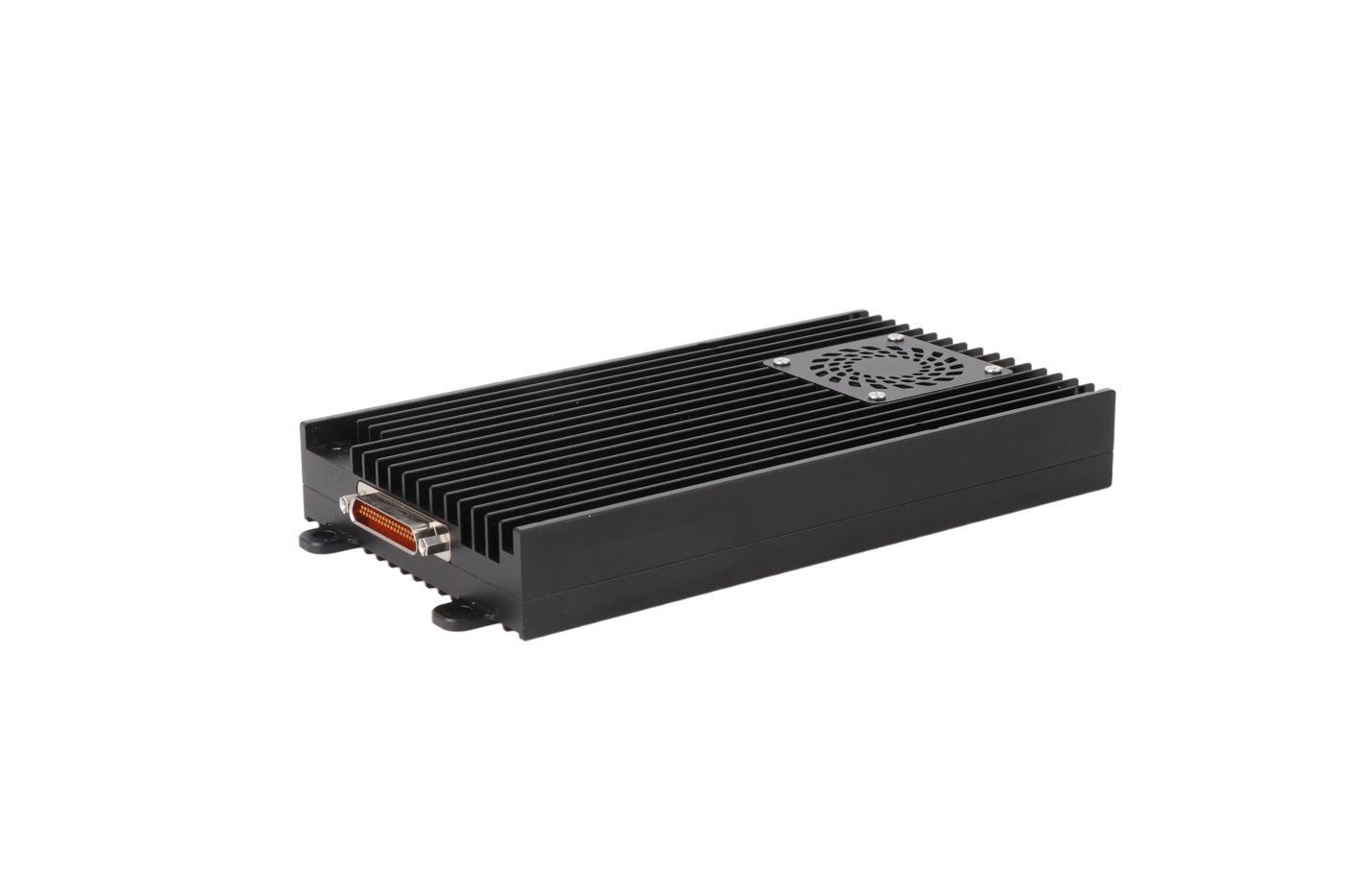
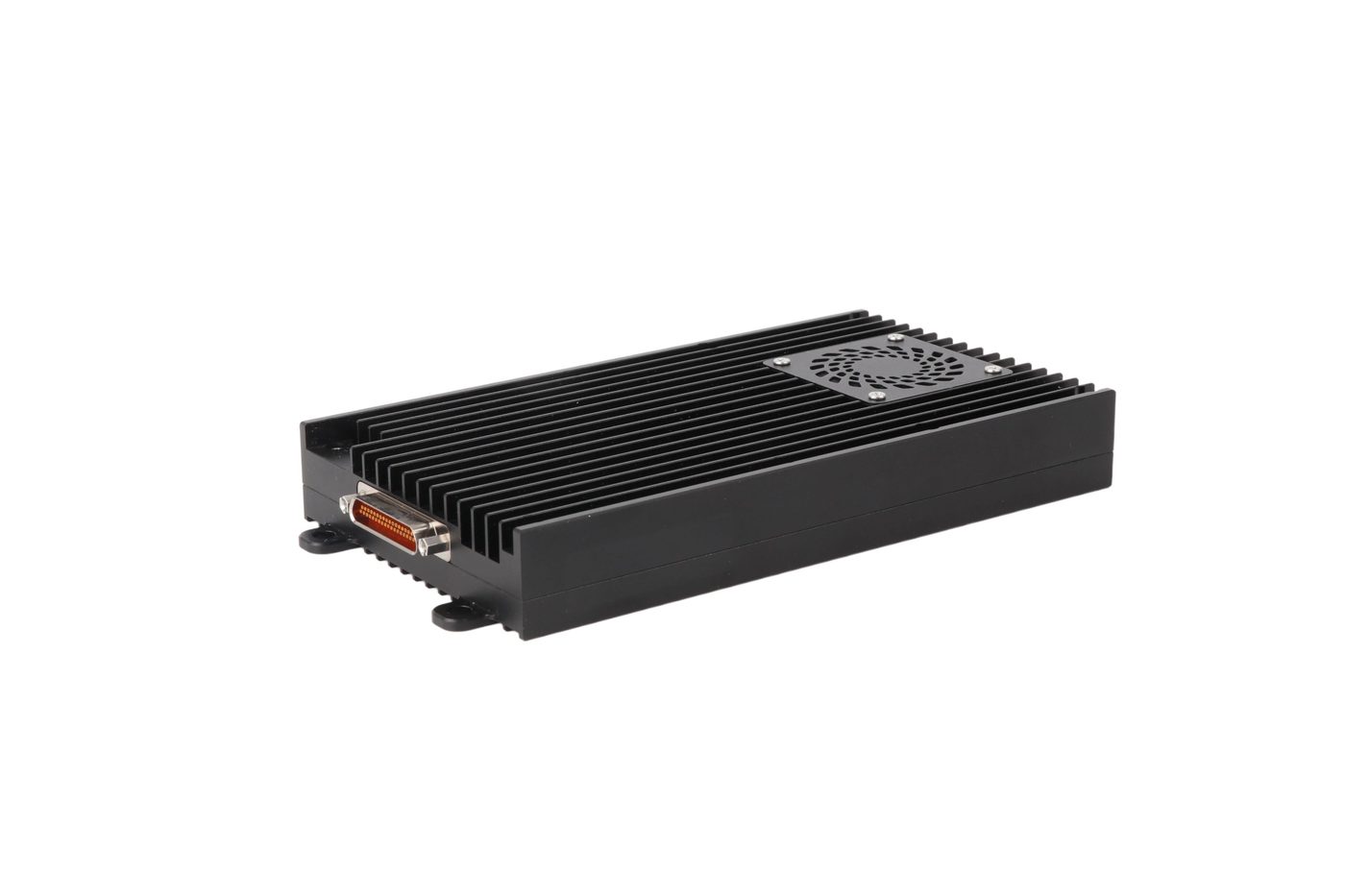
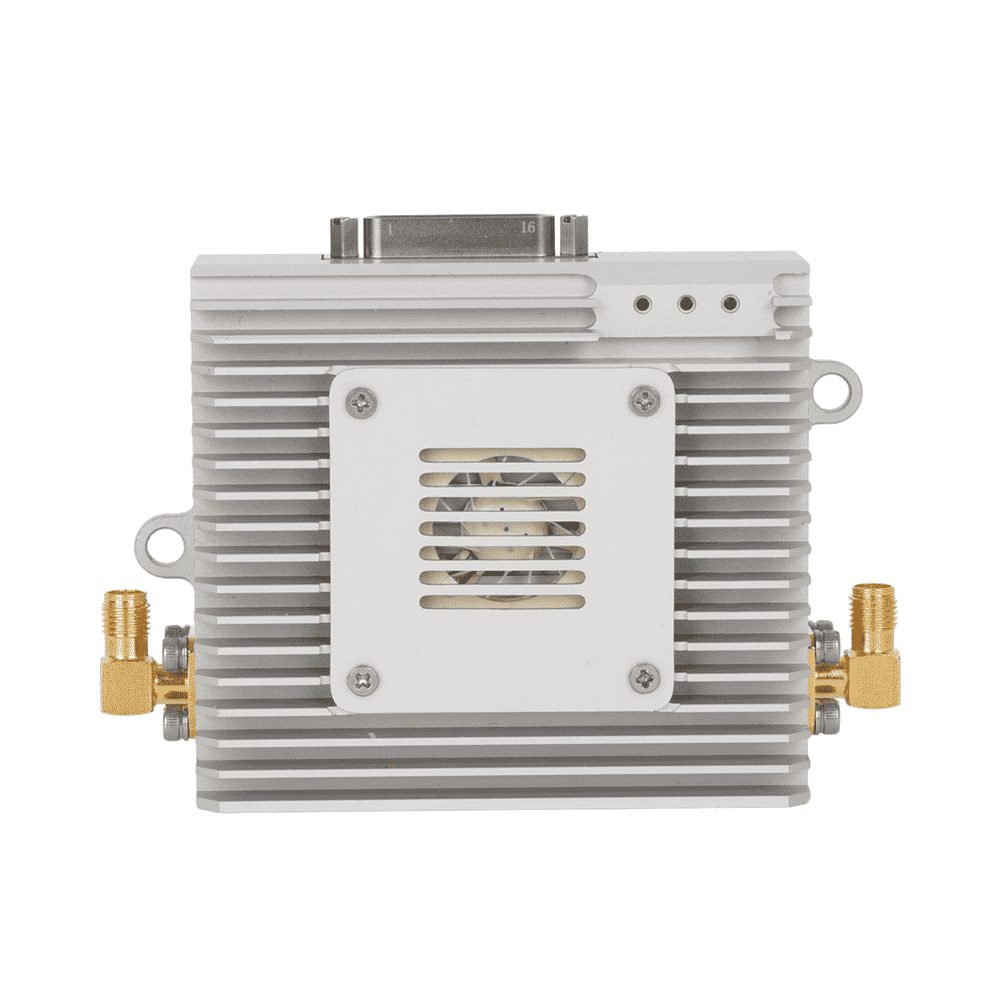
Published video-link models. Range figures are LOS (line-of-sight) reference values; throughput figures are peak values.
Related guides and solutions
Let's build your UAV data link solution
Send us your platform, required range, and payload — our technical team responds with a model recommendation or a quote.