Solutions
Long-Range Links
50–100 km class UAV data links — what the figures actually mean, and what it takes to get real distance.
What this is
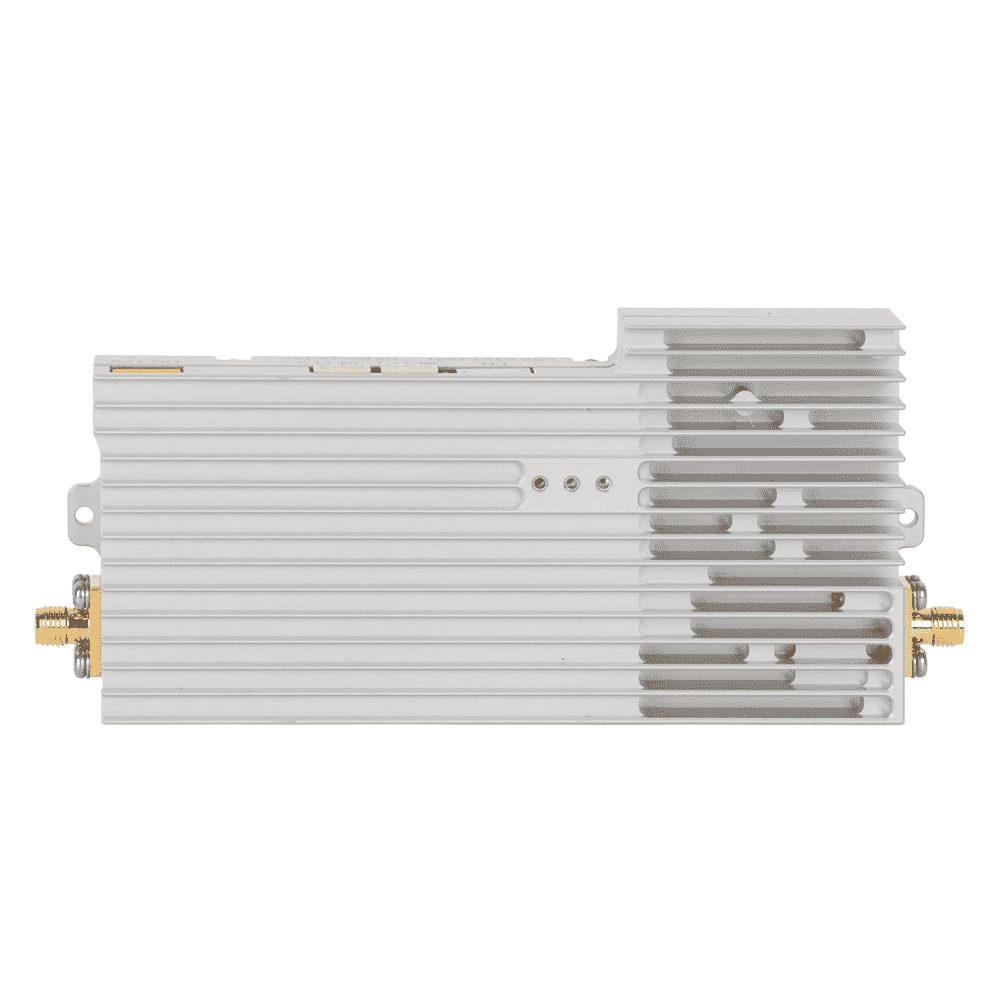
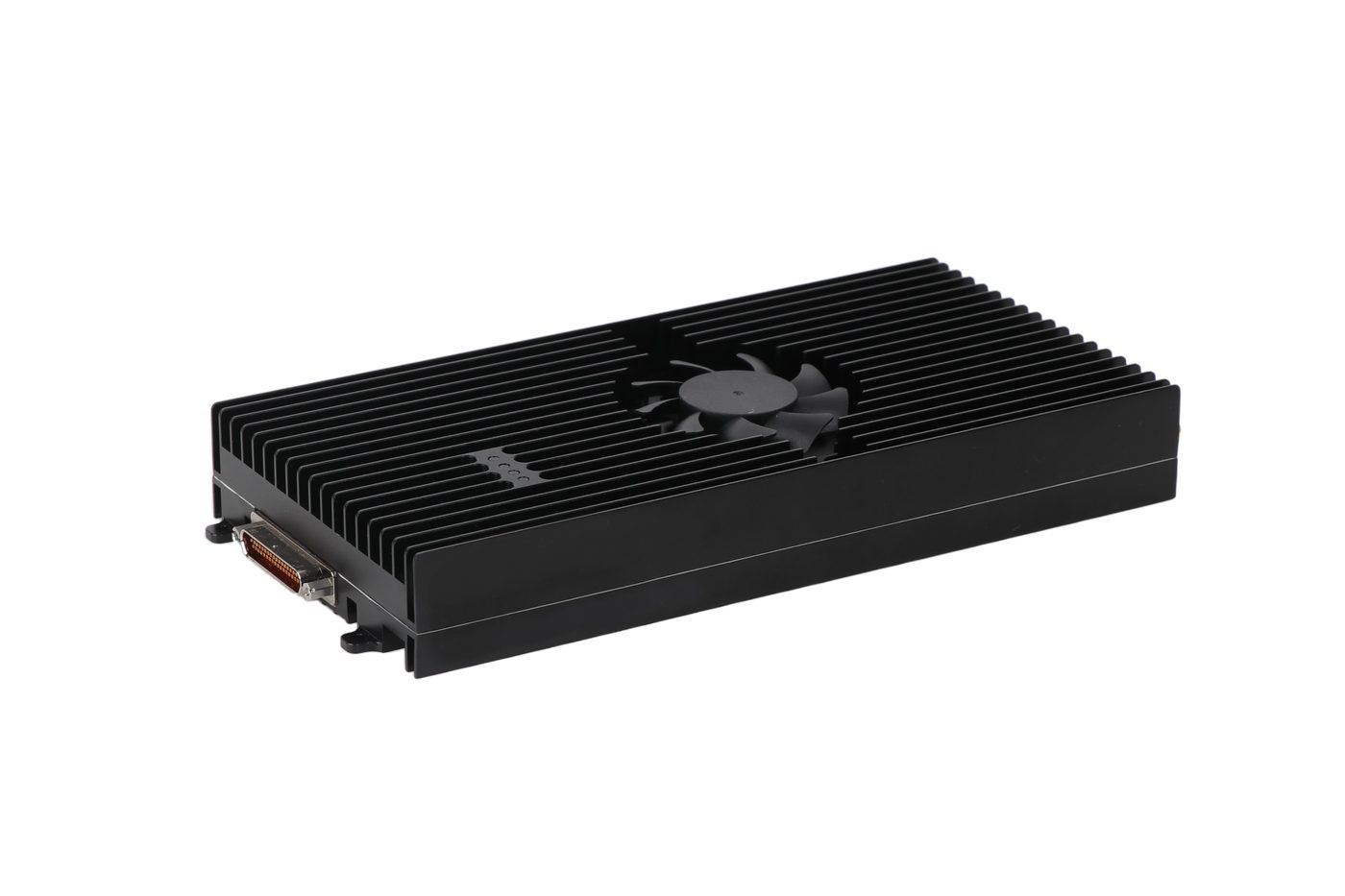
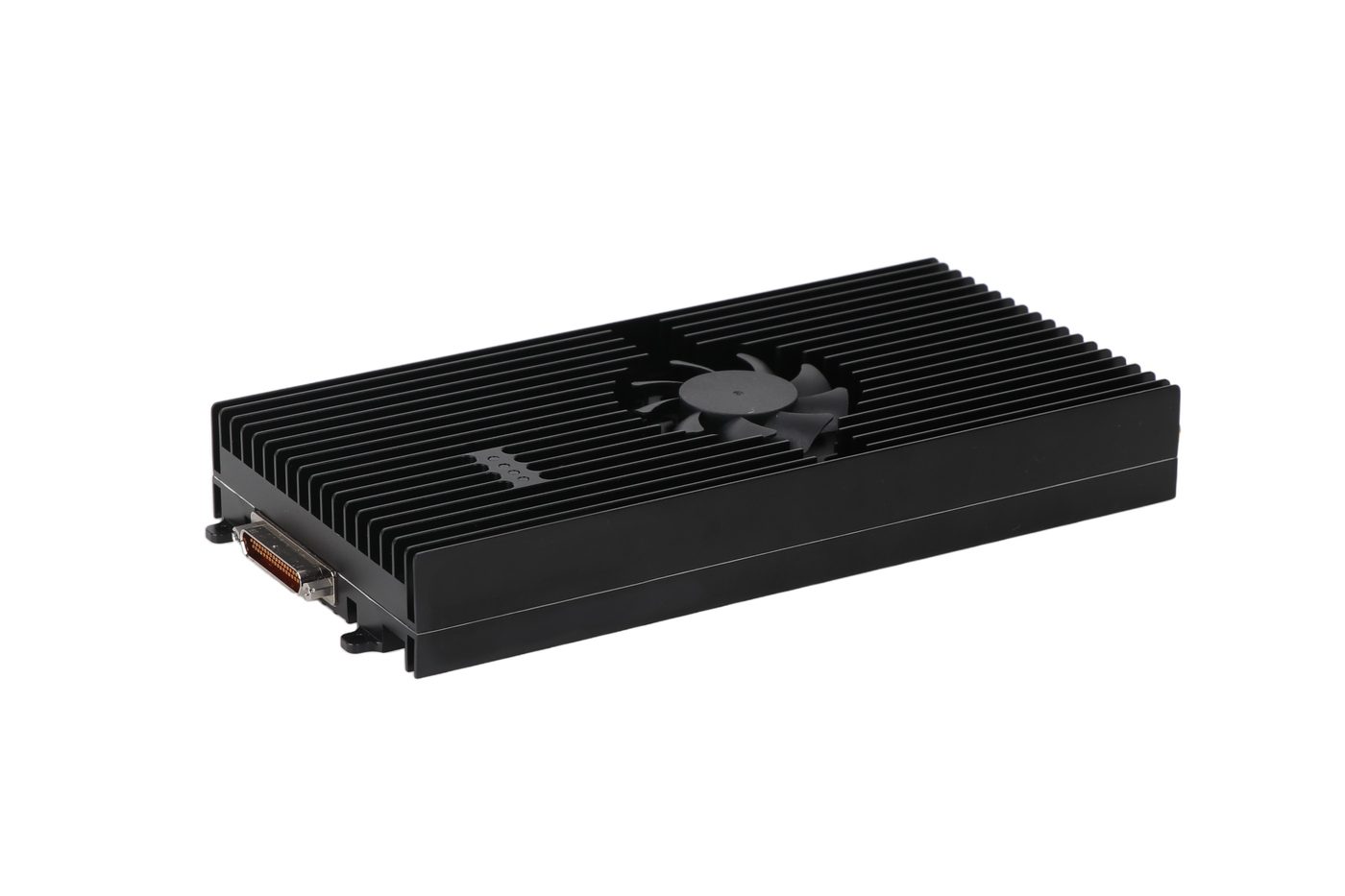
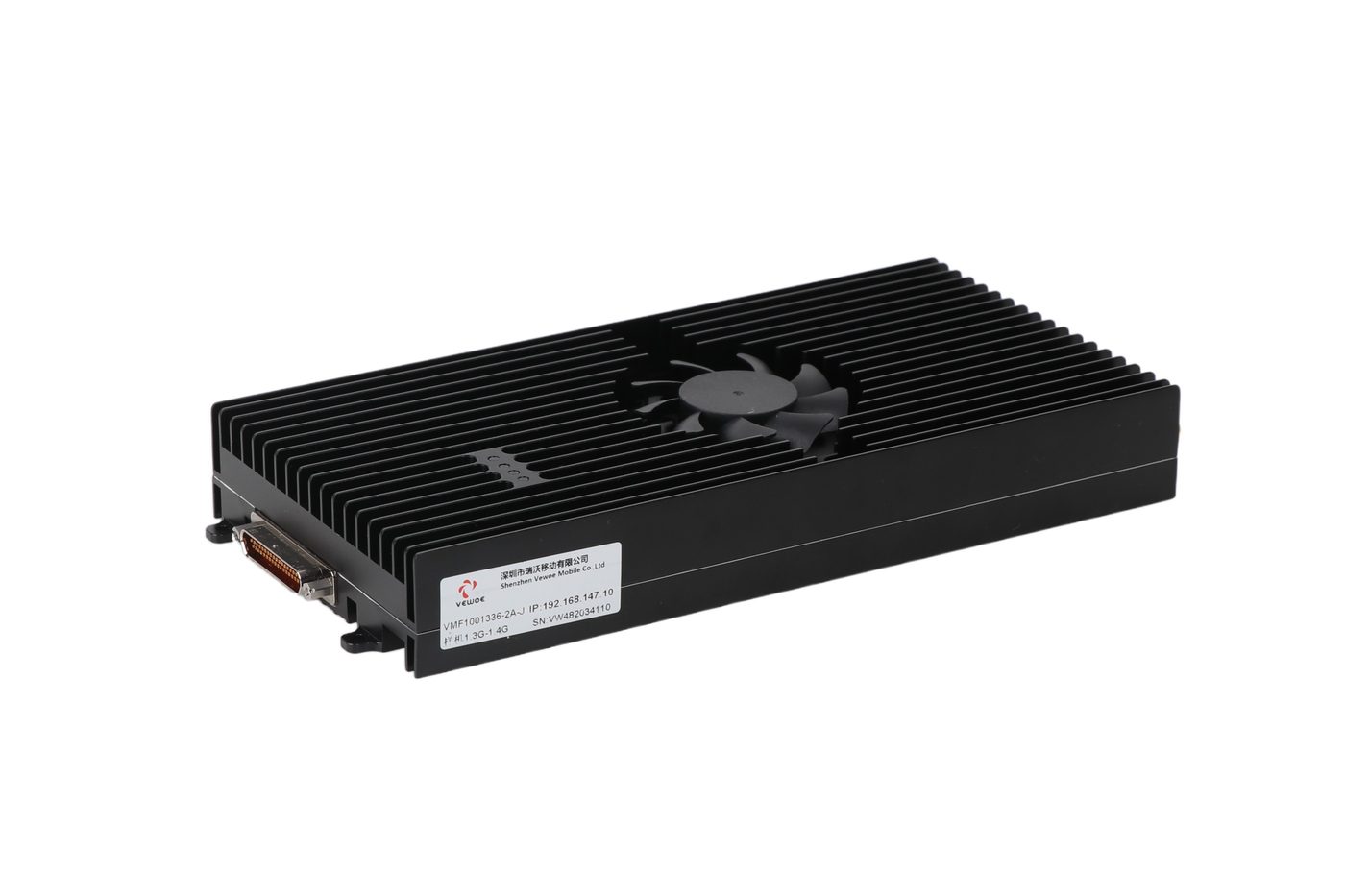
Long-range in this catalog means 50 km to 100 km class links — the Standard 50 km models, the FrequencyHopping series with its 50 km Pro and 100 km variants, and the 100 km mesh radios. These are the models that trade mass and power for distance: expect modules in the 400 g class drawing tens of watts at peak transmit.
Distance at this scale is earned with geometry and spectrum choices, not just radio power. The 100 km figures are LOS reference values recorded under open, unobstructed conditions — high altitude, clear Fresnel zone, ground antennas with real gain. Your mission will see less, and the sections below explain which levers move the number most.
Selection factors
What to weigh before shortlisting a model.
LOS geometry first
At 50–100 km the earth's curvature and terrain shadowing dominate. Airborne range figures (air-to-ground) benefit from altitude; ground-to-ground at the same distance needs tower heights that are rarely practical. Read air-to-ground and ground-to-ground rows separately.
Interference resilience
The FrequencyHopping series hops across the band to resist jamming and congestion — the right choice in contested or crowded spectrum, at the cost of peak throughput (24–47 Mbps class vs 80 Mbps on the 4KHD video series).
Band choice
Long-range models concentrate in sub-GHz to 1.7 GHz bands, where propagation is friendlier than 2.4 GHz. Confirm the band and power configuration your platform and market need — the band list is a factory capability, not a fixed configuration.
Throughput at distance
Radio links step down modulation as margin shrinks, so effective throughput at 80 km is not the peak figure on the box. Budget your mission data rate against the far-range value, and confirm it in a live test.
Honest guidance
- Every 50/80/100 km figure on this site is a line-of-sight (LOS) reference value from open test conditions. Treat it as a ceiling, not a plan.
- Frequency hopping improves interference resilience; it does not bend physics. Range still comes from geometry, antennas, and available power.
- The 100 km models are in the 433–48 W peak-power class. Verify your platform's power and thermal budget before shortlisting them.
Test footage
Recordings from the manufacturer's own test programme — bench, field, and flight tests, each shown with the conditions it was run under.
100 km Class Module Distance Test
Recorded from the ground-station screen during a distance test of a 100 km class module: live video, telemetry, and the RSSI/SNR link readout. The readout on screen reads 121 km, which is the condition of that test site rather than a mission guarantee.
- Captured
- 2024-12-13
- Duration
- 1m30s
Ground-to-Air 100 km with Repeater
A fixed-wing aircraft, a repeater unit and the ground station in a 100 km class ground-to-air test, with the three telemetry feeds shown side by side.
- Captured
- 2024-04-07
- Duration
- 1m42s
100 km Module Field Setup
The field end of a 100 km class link: the ground unit's surroundings, the sky unit on the railing, and the configuration tool with its link table.
- Captured
- 2024-05-21
- Duration
- 1m18s
Footage is published as recorded. Every distance figure that appears in a clip is the line-of-sight reference condition of that test, not a guarantee for your mission.
Matching models
Published long-range models. All range figures are LOS (line-of-sight) reference values; throughput figures are peak values.
Related guides and solutions
Let's build your UAV data link solution
Send us your platform, required range, and payload — our technical team responds with a model recommendation or a quote.